Today’s chosen theme: The Future of Sustainable Interior Design. Step into a hopeful, design-led future where interiors regenerate ecosystems, protect health, and spark community—without sacrificing beauty, comfort, or soul. Subscribe to follow each breakthrough and share your ideas.
Intelligent Efficiency: Data-Guided Comfort
Daylight and occupancy sensors dim fixtures as the sun brightens rooms, while CO2 monitors nudge fresh air just when people need clarity most. These subtle adjustments compound into meaningful energy savings without sacrificing comfort.
Intelligent Efficiency: Data-Guided Comfort
Before ordering a single tile, digital twins simulate performance, maintenance, and replacement cycles. Coupled with LCA tools, teams compare real impacts of finishes and furniture, choosing options that cut carbon and future waste from day one.
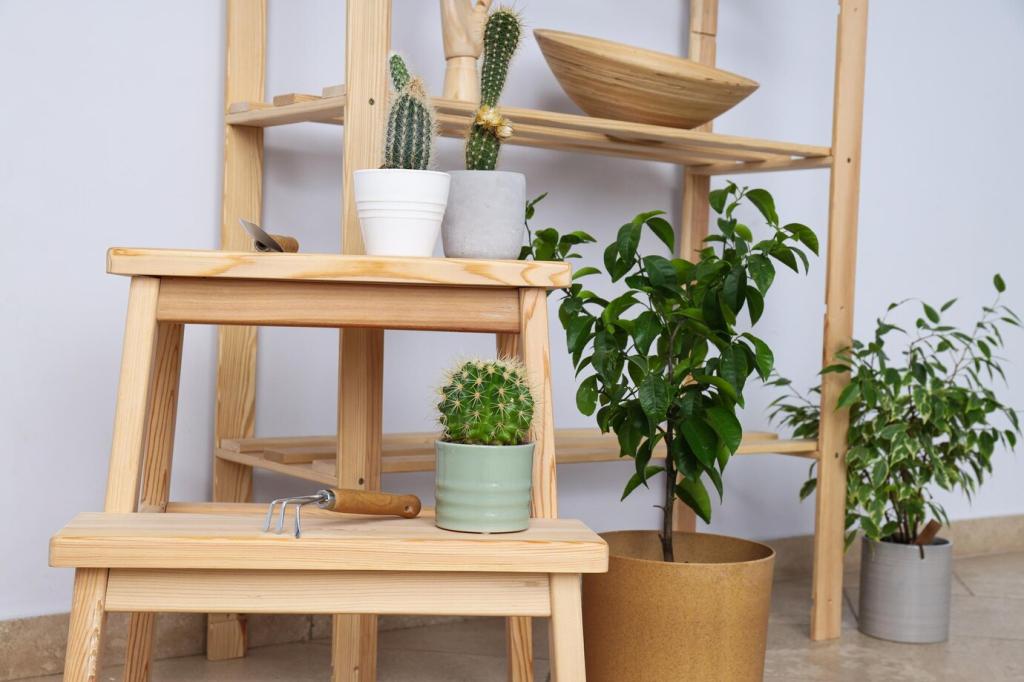
From leafy sightlines to textured, wood-grain surfaces, biophilic cues gently anchor us. Living walls and planter clusters buffer noise and dry air, while daylight-balanced palettes support circadian rhythms without feeling forced or artificial.
Biophilic Wellness: Spaces That Help Us Breathe and Heal
Furniture Futures: Modular, Repairable, and Shared
Leasing desks, chairs, and storage keeps products maintained, upgraded, and recirculated by the maker. When needs change, components return for refurbishment, turning furniture from a disposable purchase into a long-lived performance commitment.
Choosing regionally sourced stone, clay tiles, and responsibly harvested wood cuts transport emissions and supports artisans. When we honor local techniques, interiors gain authenticity while strengthening the communities that craft them.
Local, Fair, and Climate-Ready
Cross-ventilation, ceiling fans, thermal zoning, and exterior shading reduce reliance on mechanical cooling. Layered textiles and smart blinds modulate comfort, proving resilience can be elegant, tactile, and quietly powerful day after day.
Policy, Metrics, and the Path Ahead
Standards That Matter Next
Expect stronger guidance from LEED, WELL, BREEAM, and the Living Building Challenge. Product EPDs and HPDs will become table stakes, making it easier to specify materials with transparent carbon and health data.
Project teams increasingly set embodied carbon caps for fit-outs, prioritizing reuse and lower-impact materials first. Budgets make ambition practical, keeping every choice accountable from ceiling tiles to door hardware and beyond.
What metric would you track first—embodied carbon, indoor air, or circularity? Comment with your pick, and subscribe for templates, case studies, and honest lessons learned from pioneering sustainable interior design projects.