Biophilic Design and Sustainability: Bringing Nature Home
Selected theme: Biophilic Design and Sustainability. Welcome to a space where living systems inspire low-impact design, restorative habits, and beautiful places that honor people and planet. Explore ideas, stories, and practical steps—and tell us what you want to try next.
The Heart of Biophilic Design and Sustainability
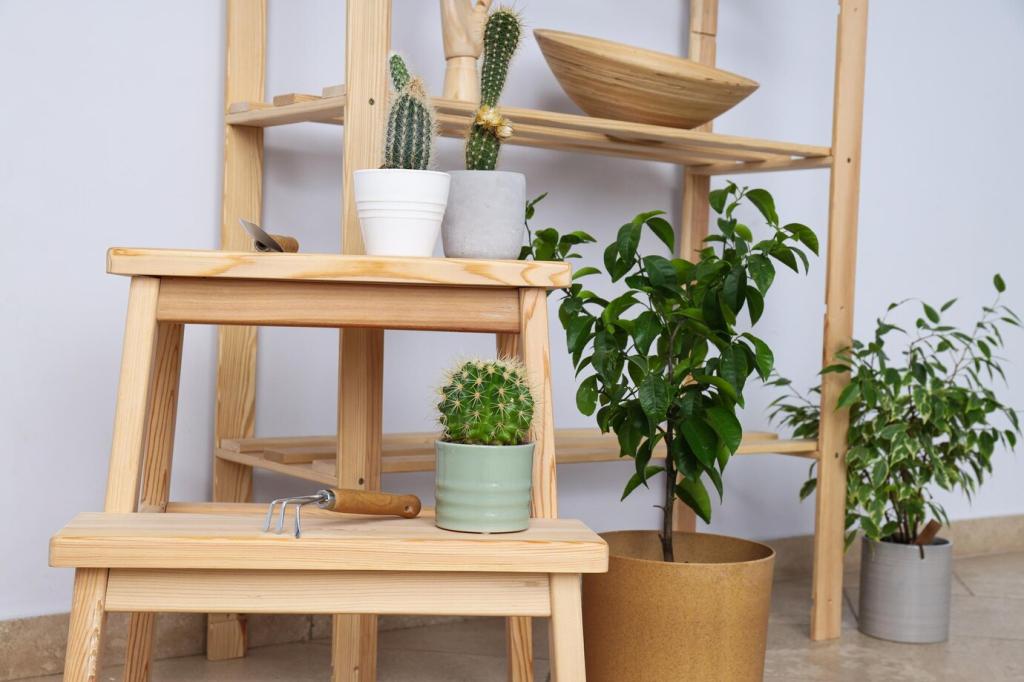
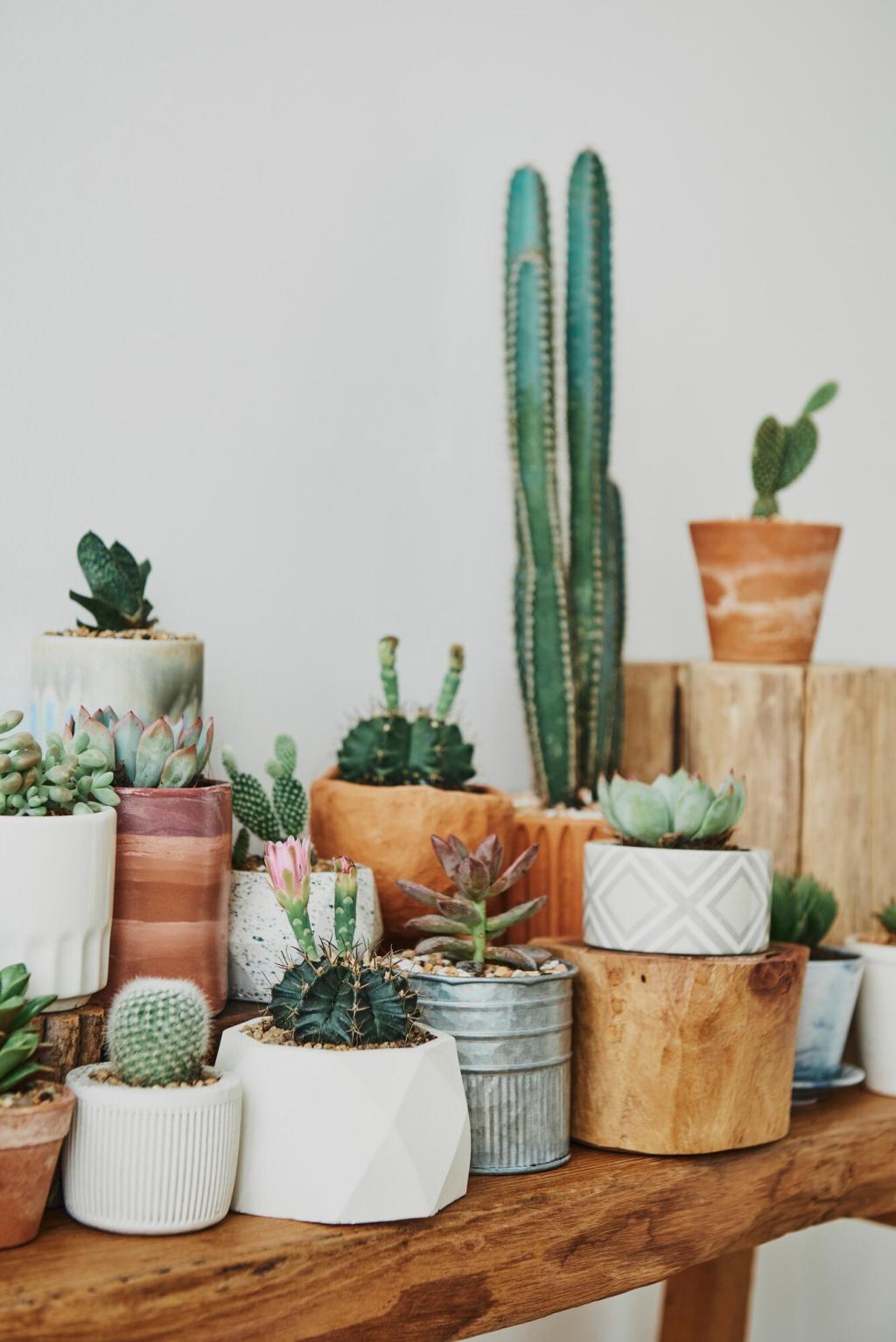
Biophilic design invites patterns, textures, and processes from nature into built environments. It goes beyond adding plants; it includes light, views, materials, and rhythms that echo ecosystems. When your space mirrors natural diversity and calm, your mind exhale, stress falls, and creativity finds room to breathe. Share where nature shows up in your home.
The Heart of Biophilic Design and Sustainability
Sustainability ensures the nature we invite inside is supported outside. Responsible sourcing, energy efficiency, and circular choices reduce impact while extending the life and meaning of our spaces. When we design with regeneration in mind, beauty lasts longer, costs make more sense over time, and our values align with daily living.
A Biophilic Desk Setup
Face a view or a nature print, keep a leafy plant within arm’s reach, and choose wood or cork under your wrists for gentle warmth. Layer task lighting with daylight, and add a small stone or shell as a grounding object. Tell us which simple change improved your concentration the most.
Quiet by Design
Acoustic panels in wool felt, cork pinboards, and bookshelves with leafy interruptions soften echoes and visual noise. Soft, natural rugs reduce footfall sound while warming bare floors. Think of quiet as a resource that supports deep work. Which sustainable acoustic fix surprised you with its impact?
A Small Studio, Reimagined
We helped a friend rotate her desk toward morning light, added a reclaimed oak shelf, and introduced a single large fern instead of many small plants. After a week, she reported calmer mornings and fewer mid-day slumps. Share your own micro-makeover story to encourage newcomers to start small.
Habits, Community, and Ongoing Care
Open windows for five minutes each morning, water plants on the same day weekly, and notice how light shifts across a wall. These tiny rhythms anchor your space in the living world. If a ritual helps you reset, drop it in the comments so others can try it.
Mycelium panels, hemp-lime composites, and bio-resins are moving from prototypes to projects, delivering low-carbon structure and gentle textures. Test a small piece at home—a stool, a planter, a panel—before scaling up. If you’ve tried a new bio-based material, report how it aged and what care it required.
Responsive Light and Shade
Smart shades, light sensors, and tunable warm-spectrum bulbs can complement daylight and support circadian health. Technology should amplify natural rhythms, not replace them. Begin with simple timers and dimmers, then layer complexity as habits form. Share your favorite setup so readers can learn from real-life tweaks.
Designing for a Warmer Future
Plant shade trees, specify cool roofs, and use cross-ventilation to handle heat waves with less energy. Store rain where possible and choose drought-tolerant species. Resilience is biophilic at heart—working with, not against, local climate. Tell us which adaptation feels most urgent where you live, and subscribe for upcoming deep dives.